|
|
"Even
fans... dismiss Billion Dollar Brain as an aberration, an early commercial
diversion before he found his voice... Yet a careful viewing ... shows it
consistent with Russell’s personal vision, remarkably so for a mainstream
thriller directed under contract" (Mark Dellar, Bright Lights Film
Journal, 1 Feb 2003, click
here) |
Billion Dollar Brain from 1967 could have been the start of
a wealthy career for Russell, his second film but this one commissioned by
the James Bond producer Harry Saltzman, story by novelist Len Deighton and
with Michael Caine starring in his third Harry Palmer role. However
the film shows little ability to direct an action film, and you might be
mistaken in thinking Russell could make television but not cinema. The
pace is too fast with scene, location and plot twist following
relentlessly. It is Russell's only action film apart from Dogboys.
"Billion Dollar Brain is in many ways the best of the Harry Palmer
series but finally an involuted but trivial plot and Russell's lack of
feeling for the slick thriller format hold the film back" (John Baxter, An
Appalling Talent, 1973, chapter 2).
The obituary of Karl Malden in The Times 3 Jul 2009 describes Billion
Dollar Brain as the film that torpedoed the Harry Palmer series.
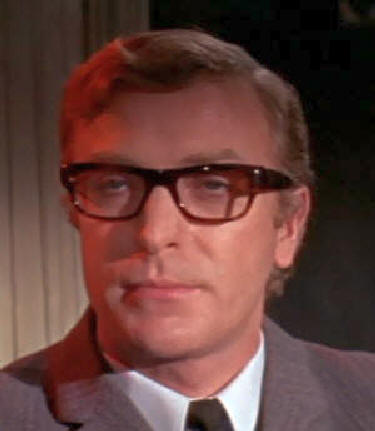
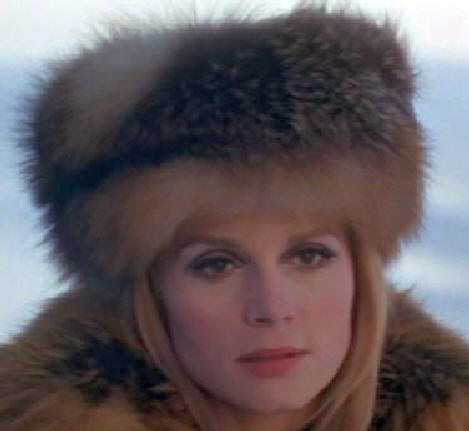
There is some Bergman-like close photography of faces but it comes across as
pretentious. Michael Caine plays his usual
bespectacled detective/spy role without any variation.
In the sauna wearing a large fur coat he claims to be hot but
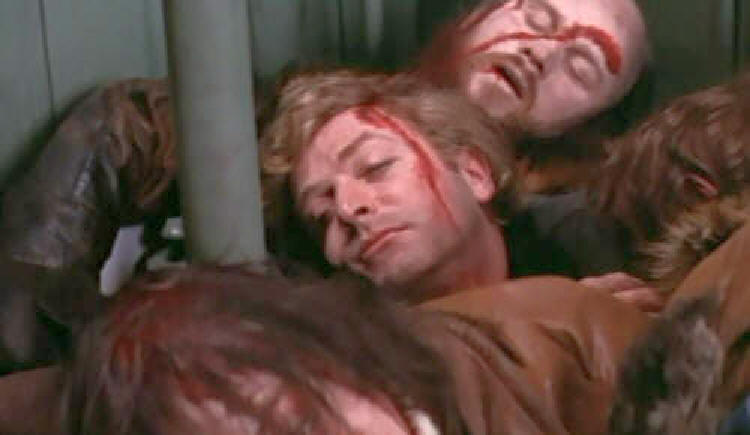
he doesn't sweat. Awaking among a pile of dead bodies (the people he had
partied with the night before) the feeling is of the inconvenience of
crawling out rather than revulsion or sorrow.
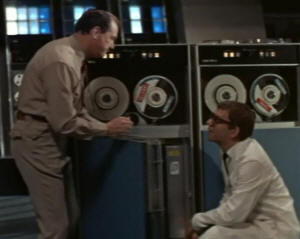
The plot concerns a computer (predictably the
billion dollar brain), taking over the world etc
etc etc. The computer will be used to help spread a virus,
but not a computer virus, the old fashioned human virus.
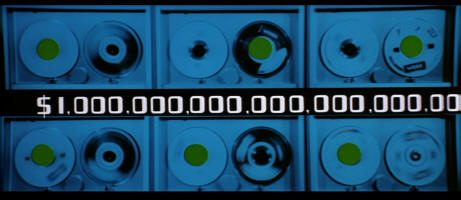
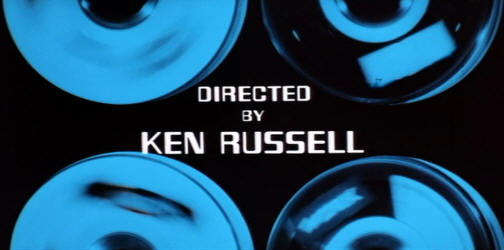
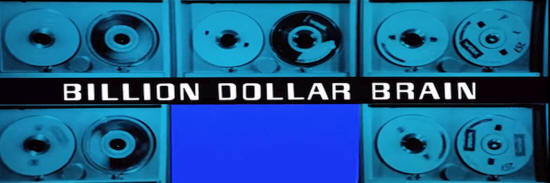
In the credits the title is also given in digits though the number is well above a billion (even above a
British billion which is a million million rather than the American
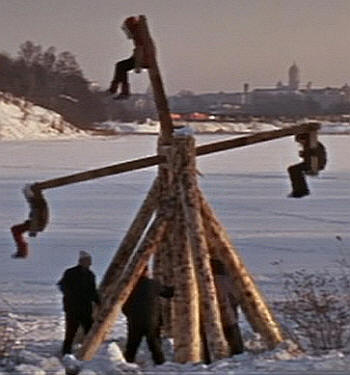
thousand million) having 18 zeroes. The plot meanders from London to Finland and
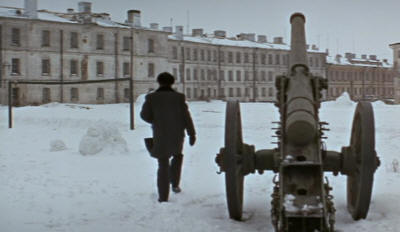
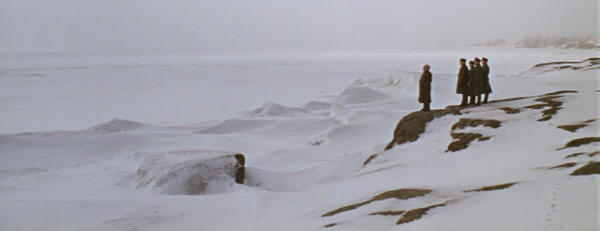
to Pinewood Studio Russia and America. But the Finnish
locations are not used well and could just as well be
London. There is a rich Texan anti-communist General
Midwinter ("now is the winter of our
discontent") who wants to start a revolution in
Latvia. He has some of the phobias of anti-Communist
General Jack Ripper from Dr Strangelove (minor actor Paul Tamarin plays in both).
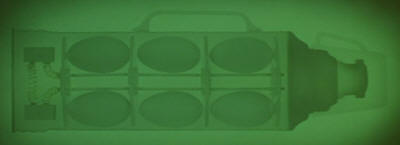
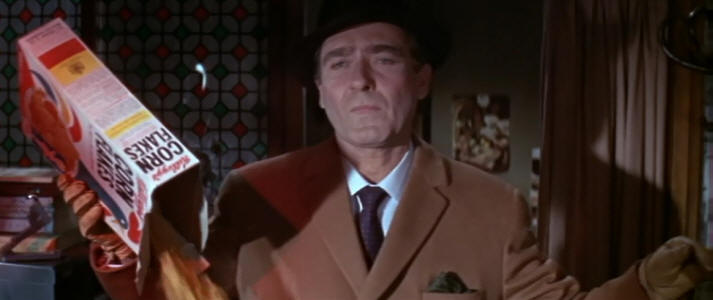
The plot is very silly, and involves eggs smuggled in a thermos flask.
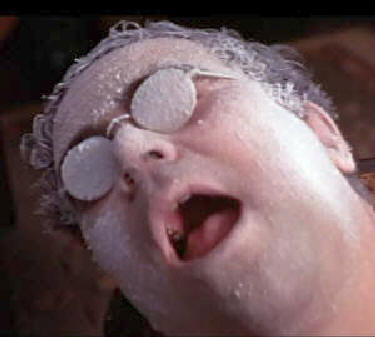
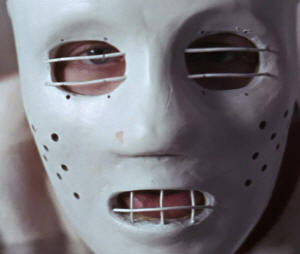
Ken tries his best to do an action film, but the
horror images are skimmed over and it is back to the artistry.
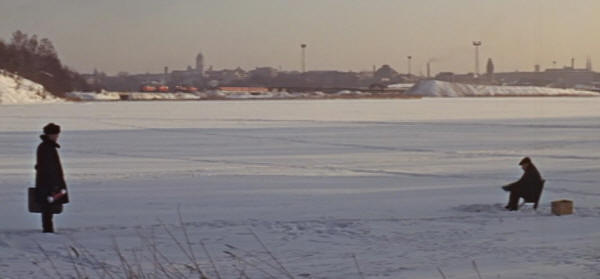
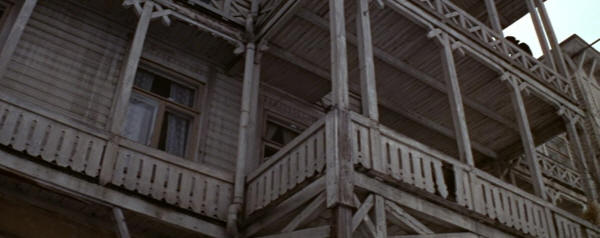
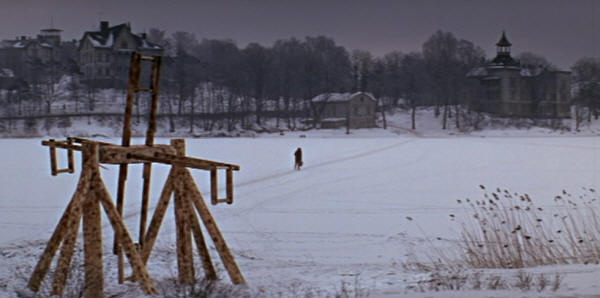
The imagery fits a monitor film, but slows down
an action film. And Ken can't do dialogue so the plot development does drag on.

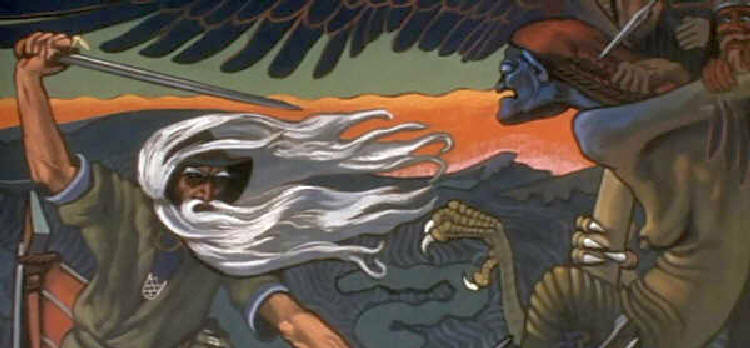
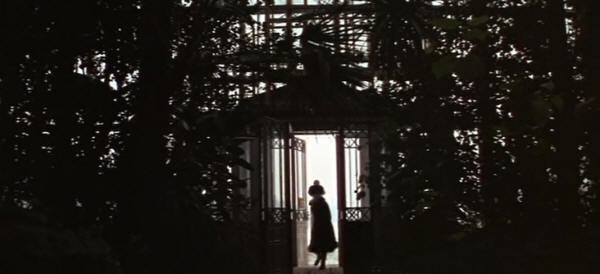
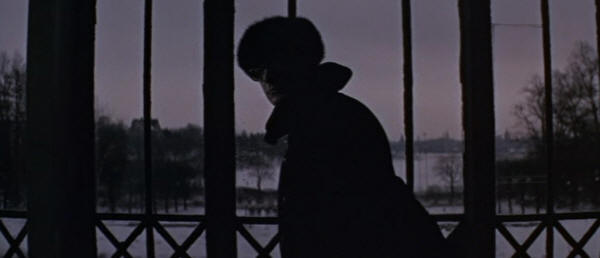
And Ken can't resist filling the film with artwork.
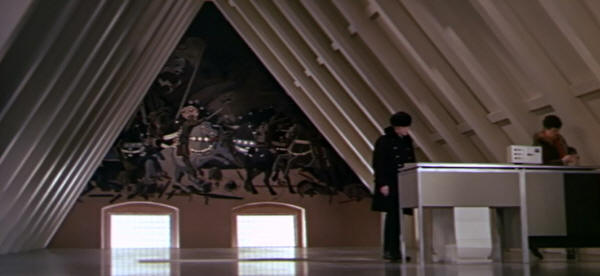
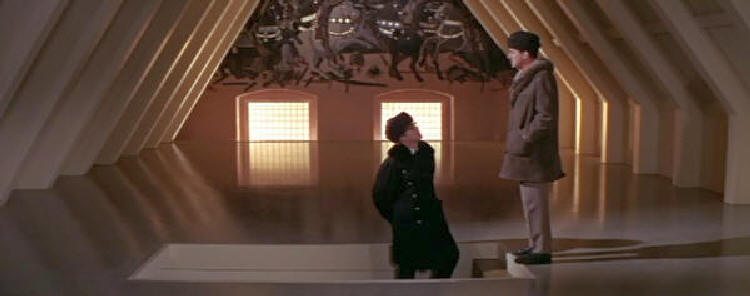
The shots are beautiful, but clash in an action film.

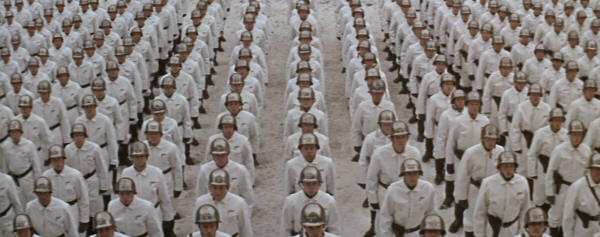
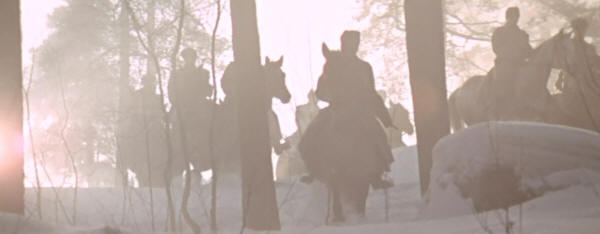
The army on the move look more like a group of
people starting an expensive caravan holiday, and the large cast often
doesn't work: the opposite of his television work- how to make a large
cast seem tiny.
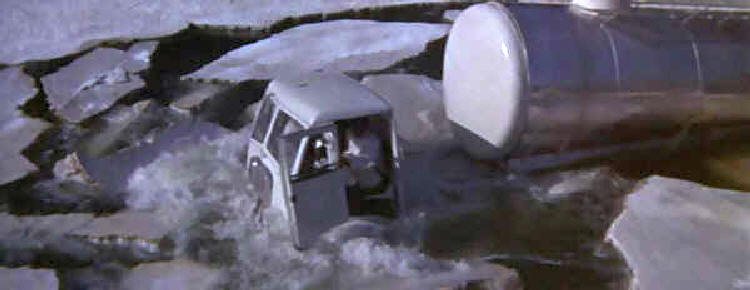
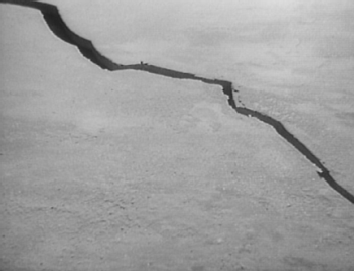
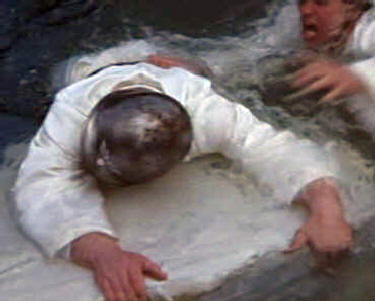
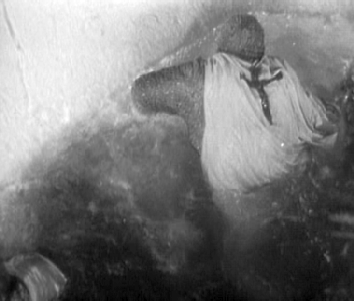
The coup fails when Soviet planes bomb the ice and the invading
army sinks under the water.
In The Times, 16 Nov 1967, John Russell Taylor says "Ken Russell
seems unable to link sequences other than by a showy shock cut, or to
resist a constant dazzle of visual irrelevances as we focus in and out
on practically anything that happens to come between the camera and its
ostensible subject."
|