home films tv biog best scene shop news discussion download interviews more all the sites русский

Ken Russell tv video stage


Omnibus classics

When the Monitor series stopped Russell continued mainly with the BBC´s Omnibus series. Without the supervision of Huw Weldon the films became more experimental and less acceptable to the general public. But they are a foretaste of the classic films he would shortly make.


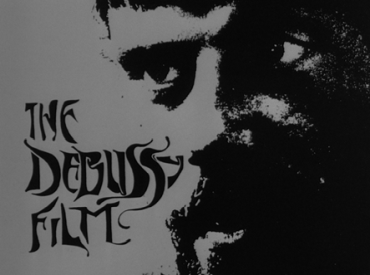
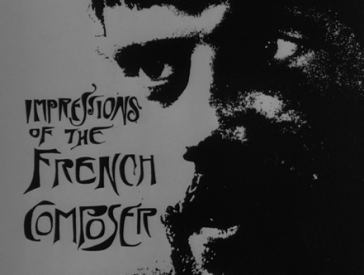
1965 The Debussy Film

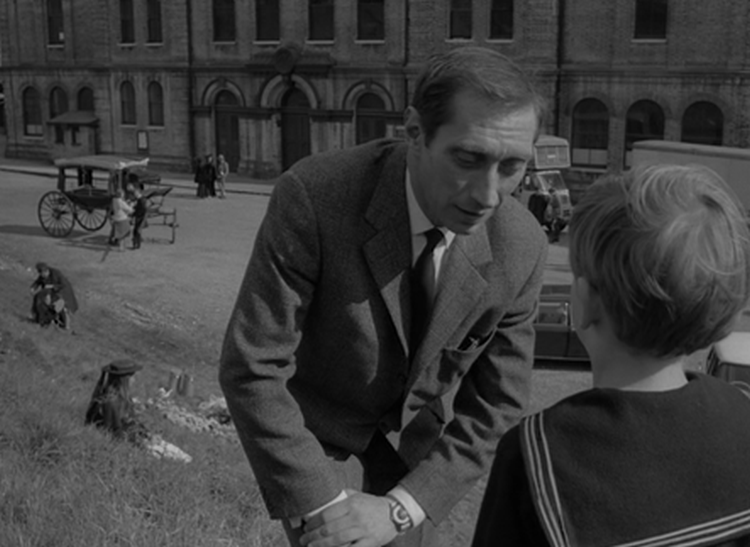
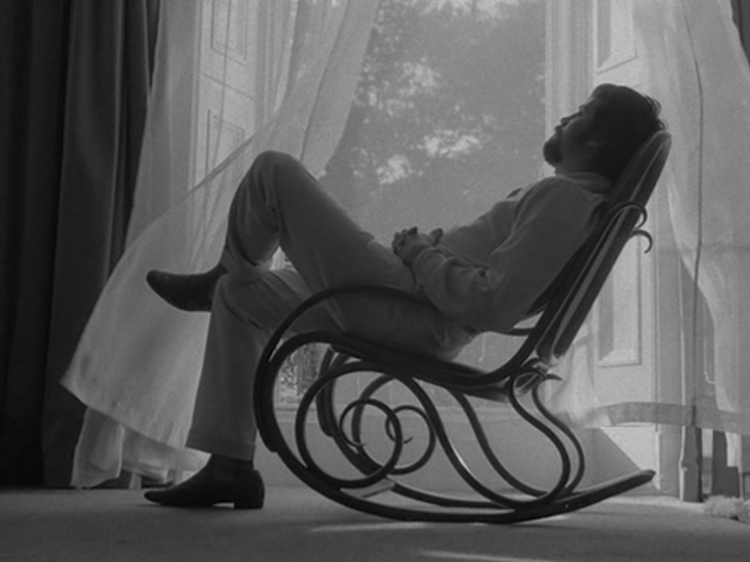
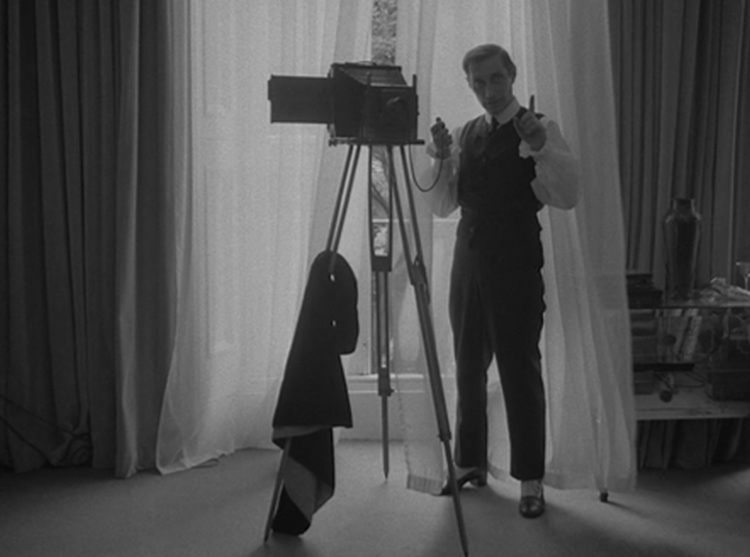
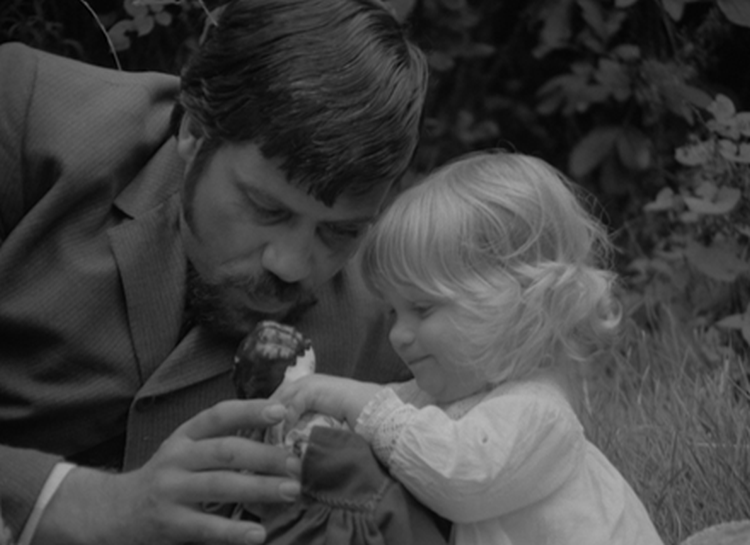
A film of a film with the director instructing the actor on the role of the composer Debussy. A film within a film is a common Russell motif, but here both plots (Debussy, the film) are equally important. Oliver Reed stars, and so plays both Debussy and the actor.  "Debussy was an ambiguous character and I always let the character of the person or his work dictate the way the film goes" (Russell quoted in Goodwin's Evil Spirits).

Russell saw Reed on Juke Box Jury, a British television programme and found the physical similarity between Reed and Debussy stunning.

Oliver Reed   Debussy
photo left from Hanke. Painting is of Debussy.

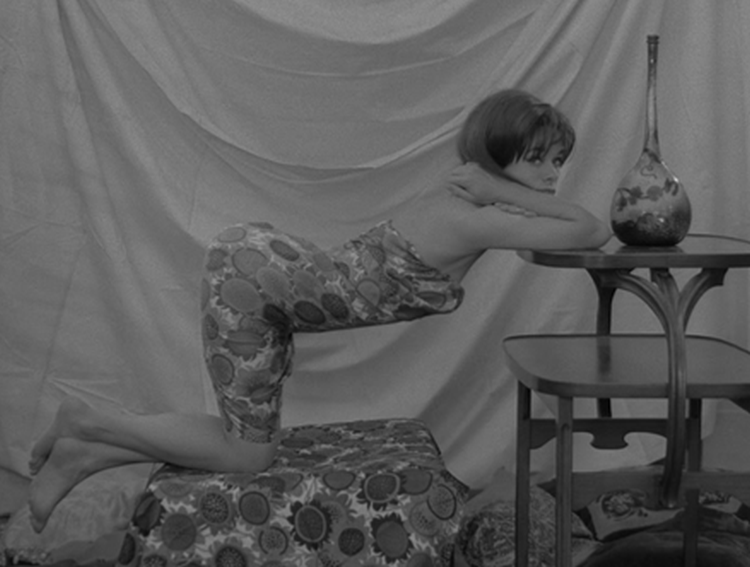
Reed, confronted by the naked actress emerging from the swimming pool, is superb.  Other actors include Vladek Sheybal and Annete Robertson.

The Debussy Film

It is also the first collaboration with Melvyn Bragg who would write other television and film scripts for Russell, and would later become a novelist and arts presenter. Melvyn and Ken intended the script to be for the cinema but when no backer could be found after Russell's commercial failure, French Dressing, it was done as a TV film.

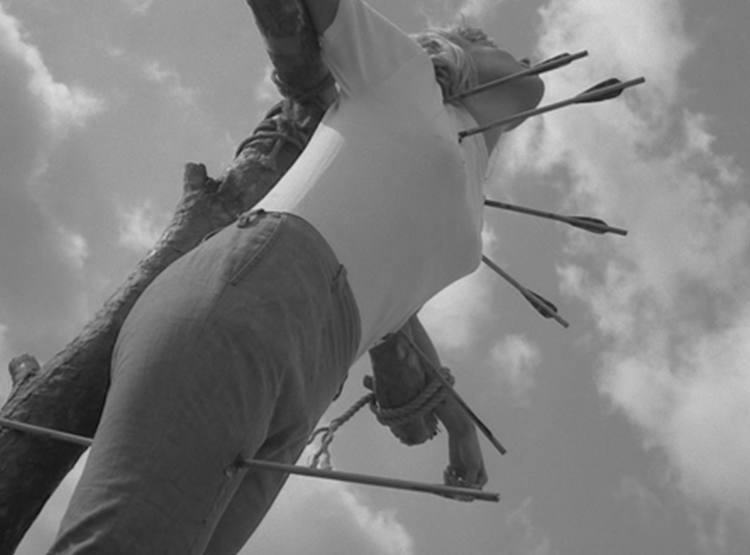
Russell's imagery was controversial. One of Russell's best scenes is the girl in the t-shirt in the water attached to a cross and being shot with arrows (a reference to The Martyrdom of St Sebastian- Derek Jarman also covered the same topic).


photo from the book Altered States


1965 Always on Sunday

Ken Russell Always on Sunday About the painter Rousseau.  For the lead Ken cast the painter James Lloyd, who Russell filmed in The Dotty World of James Lloyd in the role. An example of Russell getting a natural performance from a non-actor.

Having just used Oliver Reed as Debussy, Russell could not use his face too soon after, so Reed provides the commentary, hindered by his dyslexia. Annette Robertson, also in The Debussy Film, appears as well as Brian Pringle.

Ken Russell Always on Sunday


1966 Don't Shoot the Composer

A documentary on the French cinema composer Georges Delerue (Jules et Jim, Day for Night, The Last Metro). Russell has already used Delerue´s music (composition and conducting) in French Dressing. Later Delerue would provide the music for Women in Love.

Rather than tell how good a film composer George Delerue is, Russell lets us judge for ourselves. The documentary include a handful of stories (beginning with a detective story with Russell playing the French private eye, and later with Russell kidnapping Delerue). Delerue has composed music for each of the pieces. He then shows how the music develops the story-line.

Ken Russell in Dont Shoot the Composer    Georges Delerue in Dont Shoot the Composer
The detective Ken Russell (left) and Georges Delerue (right)

"It was a satire on a BBC film unit making a serious documentary on a famous French composer and we did it in three different styles... we did it as a silent movie, where the composer would have written appropriate music, for such a sort of speeded up slapstick approach. We also did more serious versions but that was the last one, and I think the funniest".  Some of the compositions he did especially for the film were composed overnight.  As well as demonstrating his composing talent, the film gives an idea of Delerue as a person, Delerue and wife going every night to the cinema, and the children acting in Russell's mini-films.  Delerue's French is not translated or sub-titled.  The ending, with a piano in flames, and the flames slowly fading, skipping along the keys, till the piano is intact and it clear the film has been reversed, is one of Russell's most powerful images. Russell at his very best.

the burning piano in Ken Russell's Don't Shoot the Composer


1966 Isadora Duncan, the Biggest Dancer in the World

Ken Russell Isadora

The dancer Isadora Duncan who dies when her scarf is caught in the wheels of a open roof sports car and she was strangled.  The film must have the fastest start ever in a film, Duncan dancing frenetically, her clothes falling off till she is carried off the stage still dancing and the audience go wild.

After this typical Russell shock-start, with no credits, the films switches to a voice-over (compare Valentino) of Isadora´s life, then moves to traditional documentary stock shots of Greece and a historian talking. The Greek scenes were not by Russell, presumably added by Huw Weldon. The commentary is typical BBC for the time and not typical of Russell "lack of fires and thin tunics make stoicism an essential part of the curriculum".

Ken Russell Isadora

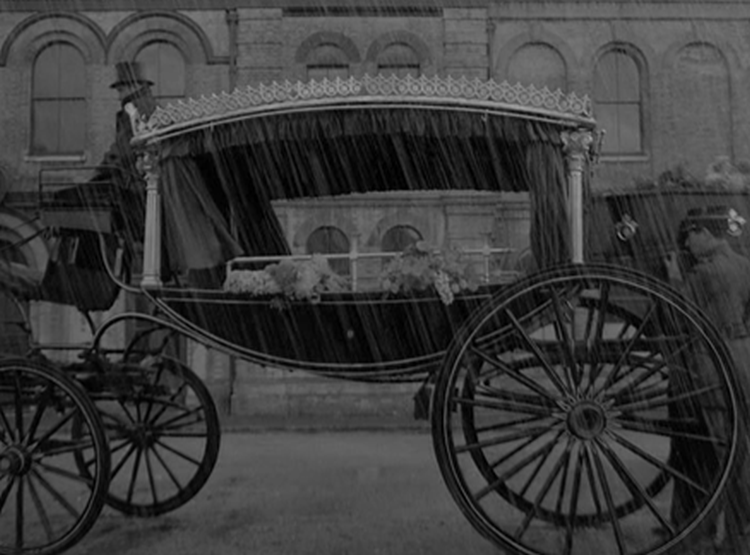
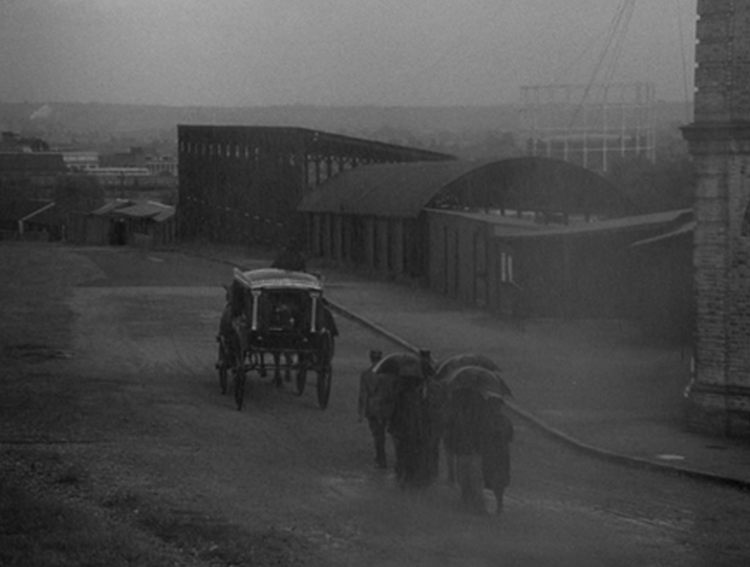
Wild imagery is present throughout: the cripple (played by Ken Russell) rescuing Isadora from the sea after her suicide attempt, Isadora kissing her lover in the hearse over the coffins of her two dead children as a band of musicians play on top of the hearse.

Ken Russell Isadora

In the second half the film does begin to flag. There is little dialogue (mainly mime or speechmaking) but what dialogue exists is very bad (acting and writing) and the dancing is another problem. It becomes increasingly clear that Vivian Pickles cannot dance beyond running in circles and waving her arms in the air- this makes a film about one of the most famous dancers ever difficult and no editing and close up of hands can get around it.

The film lags into sentimentality, with lots of dancing children, until the shocking death. Despite the bad parts, still worth seeing.

Some regular Russell images occurs: the beach scene, water reflecting sun and out of focus, a cripple, women dancing arms in air, fire and water, a doll in the water, a failed suicide (compare The Music Lovers), a film in a film (slide show).  The dancing children are similar to those in Ken's amateur film Amelia and the Angel. The Singer sewing machine would come back much later in Martinu, the pool scene in Lady Chatterley and the veils in Salome.

This is one of Russell's favourite films. Rudolf Nuryev the dancer disliked the film and was one of the reasons there were problems starting Nijinsky (which never got made). Nuryev later starred in Valentino.  Vivian Pickles stars. Others include Alex Jawdokinov (who was also in Billion Dollar Brain, Music Lovers and Savage Messiah and would later act alongside Ken in The Russia House), Iza Teller (Dante's Inferno and the films Billion Dollar Brain and The Devils) and Alita Naughton of French Dressing. Ken has a cameo role.  The script was by Ken and Sewell Stokes who then re-did Isadora with Melvyn Bragg and Vanessa Regdrave.  Camerawork was by Dick Bush and Brian Tufano (Trainspotting), editing was by Michael Bradsell and costumes by Shirley Russell and Joyce Hammond.

A flawed classic.


1967 Dante's Inferno

Oliver Reed again stars this time as Dante Gabriel Rosetti who out of love buried his poetry with his dead lover, only later to have it exhumed as his creative talents have faded and he needs the poems to sustain his reputation.

Ken Russell Dante Inferno

Again a spectacular start by Russell, the light shining on the coffin being raised, the poems pulled from the skeleton's hand, followed by the carnival with Reed jumping through the bonfire.

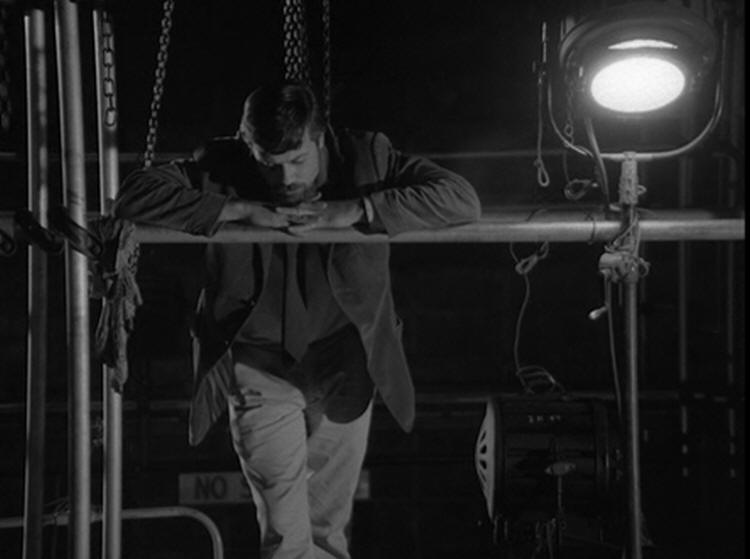
Ken Russell Dante Inferno One of Russell's best works, full of atmosphere, imagery, lighting.  Compare the image (left) with Metropolis/ Bride of Frankenstein. This image comes back for example in Aria.  And the image (right) with The Cabinet of Dr Caligari and Peepshow.

(photo from Hanke´s book)

Ken Russell Dante Inferno

Alongside Reed are Judith Paris, Andrew Faulds, Iza Teller as Christina Rosetti and Gala Mitchell. Derek Boshier, one of the artists from Pop Goes the Easel, plays Millais. The script was co-written by Russell and Austin Frazer.


1968 Song of Summer

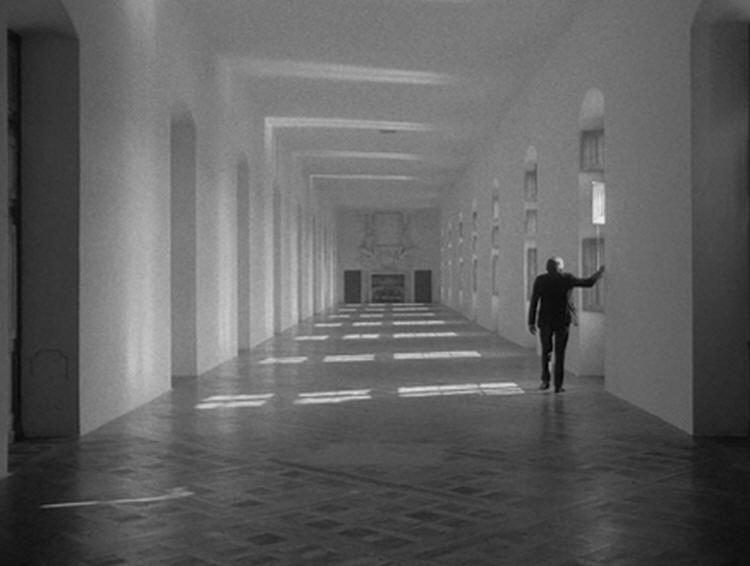
Ken's most beautiful work, about creativity and sacrifice. The composer Delius had become paralysed and blind by syphilis and could no longer compose. Eric Fenby volunteered to help him write down his music over the next five years.  As with many of Russell's films the opening seconds are an attention-grabber- Laurel and Hardy, and as the camera pulls back we see Fenby playing piano in the cinema. This short scene is sadly omitted from the re-release of the film.

Max Adrian as Delius with Fenby reflected in glasses Fenby reflected in the blind Delius´ glasses. Only when Delius dies do his eyes open.  When Fenby left Delius he became paralysed, like Delius. He only recovered months later. Ken Russell Song of Summer
Christopher Gable as Fenby in Ken Russell Song of Summer Max Adrian as Delius, Maureen Pryor as his wife Jelka and Christopher Gable as Fenby are totally convincing in their roles "I can't reconcile such hardness with such lovely music".

Gable was a dancer who was going to appear in Nijinsky as the Russian dancer until it fell through. Yet another non-actor Russell is able to turn into a natural actor. Gable also later appeared in Women in Love, The Rainbow and other films and Adrian appeared in The Music Lovers, The Devils and The Boyfriend.

Maureen Prior as Jelka Delius
Ken Russell Song of Summer Elizabeth Erzy is superb as the maid. There is some good subtle writing by Ken Russell. While Fenby goes to bed his voice-over says there is no-one of his own age. The next scene he is woken by the maid, clearly his own age. It says a world about the society and the mental state he lived in Elizabeth Erzy in Ken Russell Song of Summer
Ken Russell Song of Summer Some scenes are haunting: after the meal the servant putting Delius over his back like a bag of coal to take him to bed, the scenes of Fenby playing to the irritated Delius´ instructions. Ken Russell Song of Summer

The film was the first time the taboo subject of syphilis was mentioned.

Fenby was involved in the shooting and said Russell's filming was totally convincing. "I have often been asked whether or not the sprinkling of rose petals over his body was a touch of Ken Russell's fantasy. No, that actually happened at daybreak that morning. Strange, perhaps, to English ways, but it was Jelka's wish, and she did it herself from a wheel-chair. " The same image was copied later in The Year of Living Dangerously.

Ken Russell has a cameo role as the priest. Ken Russell Song of Summer

Ken Russell Song of Summer The death of Delius (left) is repeated in Kubrick´s 2001: A Space Odyssey (right) and Russell's Altered States. 2001 A Space Odyssey


1970 The Dance of the Seven Veils

Ken Russell Dance of the Seven Veils

Ken Russell at his best and most kitsch, a foretaste of energy and excitement of The Music Lovers. It is his first television film in colour.  The film is about composer Richard Strauss, who Russell seems to hate violently. The comic strip approach and appearance of Hitler alienated his audience.  A couple make love on the bed and just behind the bed is an orchestra (a chamber orchestra!!) with Ken Russell himself conducting both the orchestra and the couple.  When the Strauss family withdrew permission to use the music after the initial broadcast, Russell substituted Johan Strauss when excerpts from the film were broadcast (as in A British Picture).  It was time for Ken to move on from the BBC and back into films.

Ken Russell Dance of the Seven Veils   Ken Russell Dance of the Seven Veils


More television

click for previous television click for television index click for next television


home films tv biog best scene shop news discussion download interviews more all the sites русский

www.iainfisher.com / send mail /  © 1998- 2012 Iain Fisher